All industries
NGOs and humanitarian organisations
Beneficiary records, case notes and donor reporting requirements, often collected in the field.
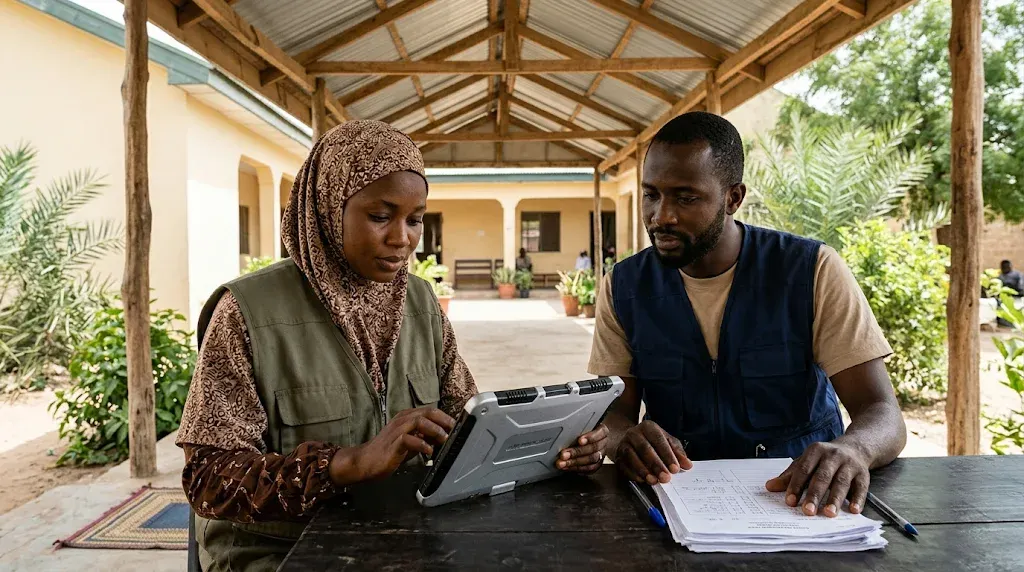
In humanitarian settings a data breach can put people at physical risk, not only financial risk. We help programme, M&E and protection teams collect only what they need, share it safely with partners and close projects without leaving data behind.
What you hold
- Beneficiary names, locations, photographs and identity numbers
- Health, protection and case management records
- Survey and monitoring and evaluation data collected on mobile devices
- Staff, volunteer and partner records
Rules that apply
- The Nigeria Data Protection Act 2023 and GAID 2025
- Donor and UN agency data protection and safeguarding requirements
- Sector guidance such as the ICRC Handbook on Data Protection in Humanitarian Action
Common gaps we find
- Consent forms that beneficiaries cannot read or do not understand
- Field data synced to personal phones and shared through messaging apps
- Data shared with partners without written agreements
- No retention rule once a project closes
Services for ngos and humanitarian organisations
- Data protection and privacyMeet the Nigeria Data Protection Act in practice, not only on paper.
- Data governance and information managementDecide who owns your data, how long you keep it and who can see it.
- AI governance and responsible AIGive your people clear, safe rules for using AI at work.
- Cybersecurity and information securityKnow your security risks and put the right controls in place.
Let's build a more secure and responsible digital environment.
Tell us what you need to protect. We will reply within two working days with next steps.
Talk to SafeDaTech